
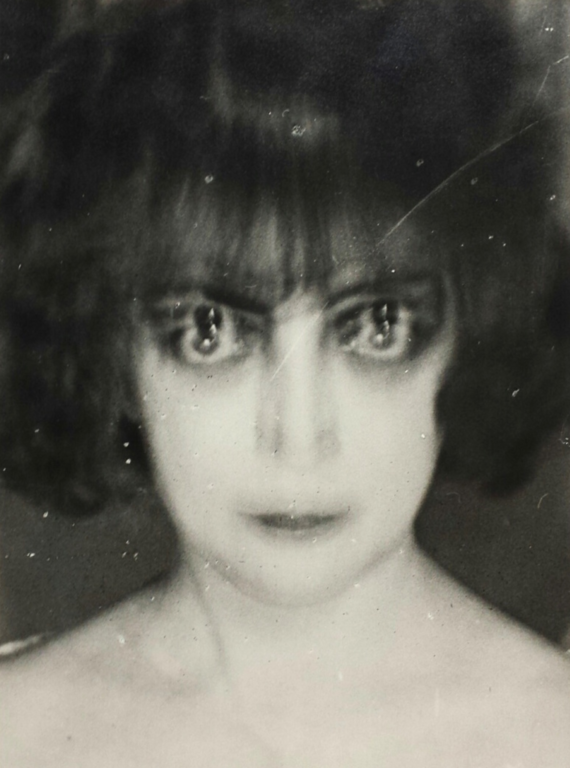
Man Ray was a seminal figure of the Dada and Surrealist movements whose achievements revolutionized photography
and avant-garde art. His most enduring legacy lies in his technical innovations, particularly the "discovery" of
the Rayograph (his name for photograms) in 1921. By placing objects directly onto light-sensitive paper and exposing
them to light without a camera, he created ethereal, one-of-a-kind images that captured what poet Tristan Tzara called
the moments "when objects dream". This technique, alongside his popularization of solarization, transformed
photography from a purely representational medium into a high art form of psychological and abstract expression.
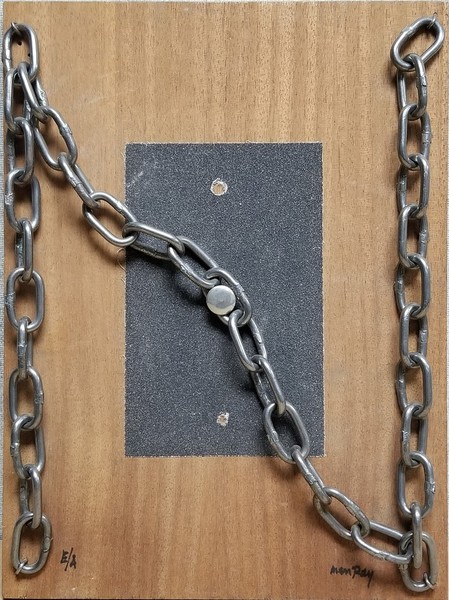
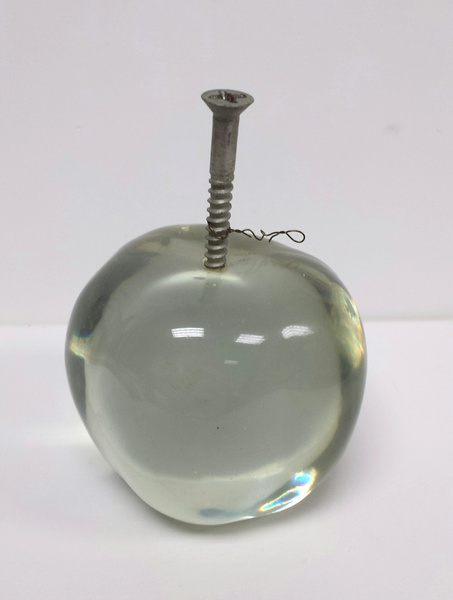
Beyond photography, Man Ray was a pioneer of Surrealist objects and early conceptual art. Inspired by Marcel
Duchamp’s "readymades," he created iconic works that subverted everyday tools, such as The Gift (1921)—a flatiron
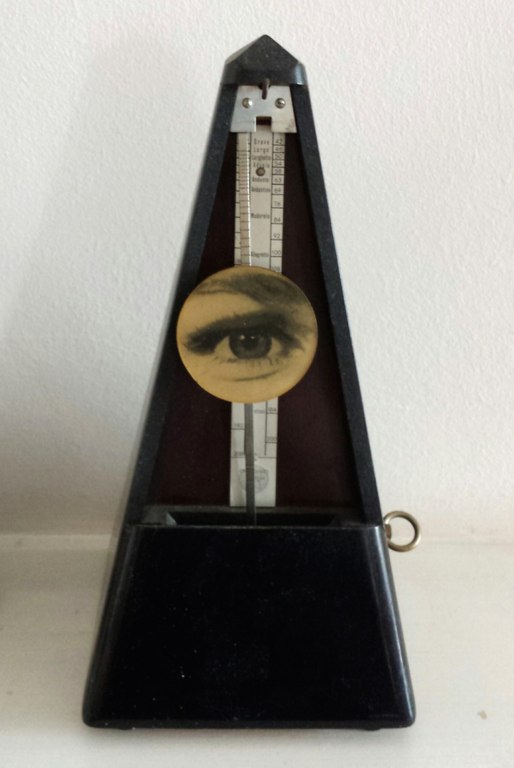
with a row of tacks —and Object to Be Destroyed (1923), a metronome featuring a photograph of a human eye.
His contributions extended to experimental cinema, where he directed landmark "cine-poetic" films like Le Retour à la
raison (1923) and L'Étoile de Mer (1928), which rejected narrative in favor of dreamlike, non-linear imagery. Today, his
impact remains highly visible through major retrospectives, such as the exhibition "Man Ray: When Objects
Dream" at The Metropolitan Museum of Art. His market influence also reached a historic peak recently when his
famous 1924 photograph, Le Violon d'Ingres, set a world record as the most expensive photograph ever sold at
auction for over $12.4 million.
"Whatever elements that may come to hand or that are selected from the profusion of materials within reach, are
combined with words to create a simple poetic image. One should not look for plastic quality, vituosity or merits usually
associated with works of art. This should amuse, disturb, mystify, or provoke reflection. These images above all should
entertain - the only sure road to appreciation."
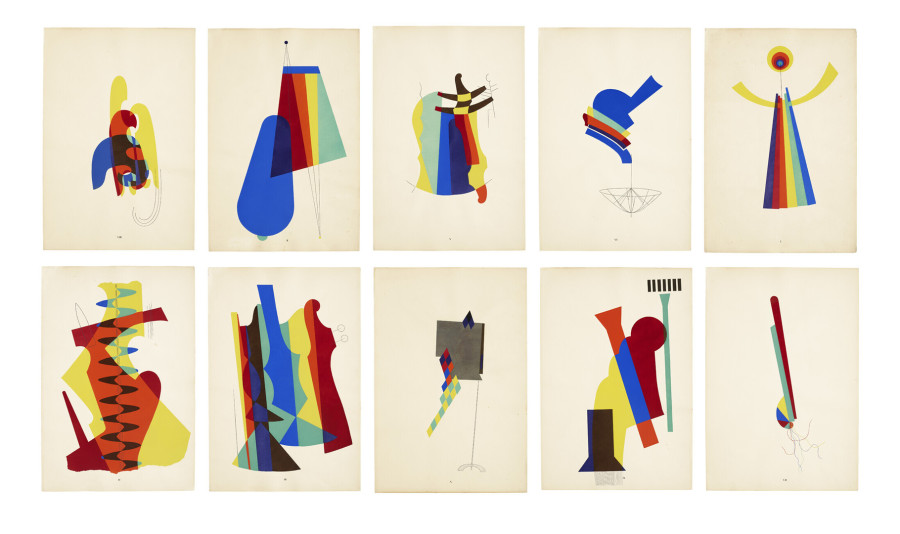
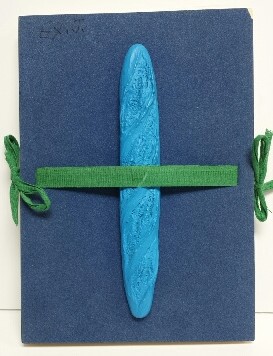
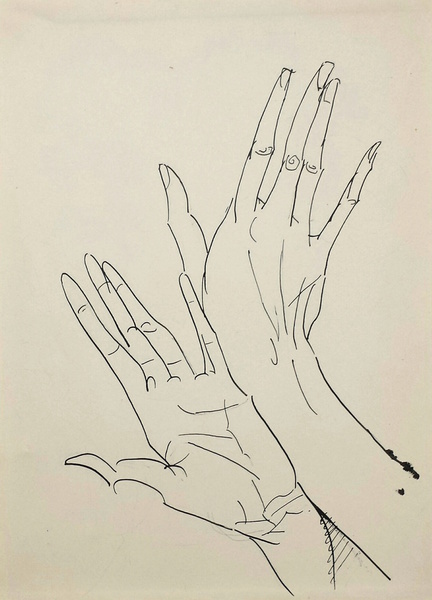
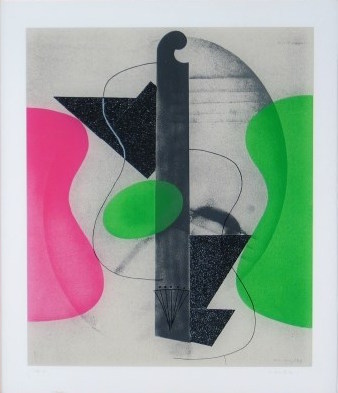
MAN RAY, Revolving Doors, 1972, full set of 10 pochoir prints on velin d'Arches paper, each: 25 x 17.75 in., signed,
ed. of 100 plus proofs; accompanied by original hard-cover case. Inquire
 Print
Print 